Impact of Weather on LESCO Billing
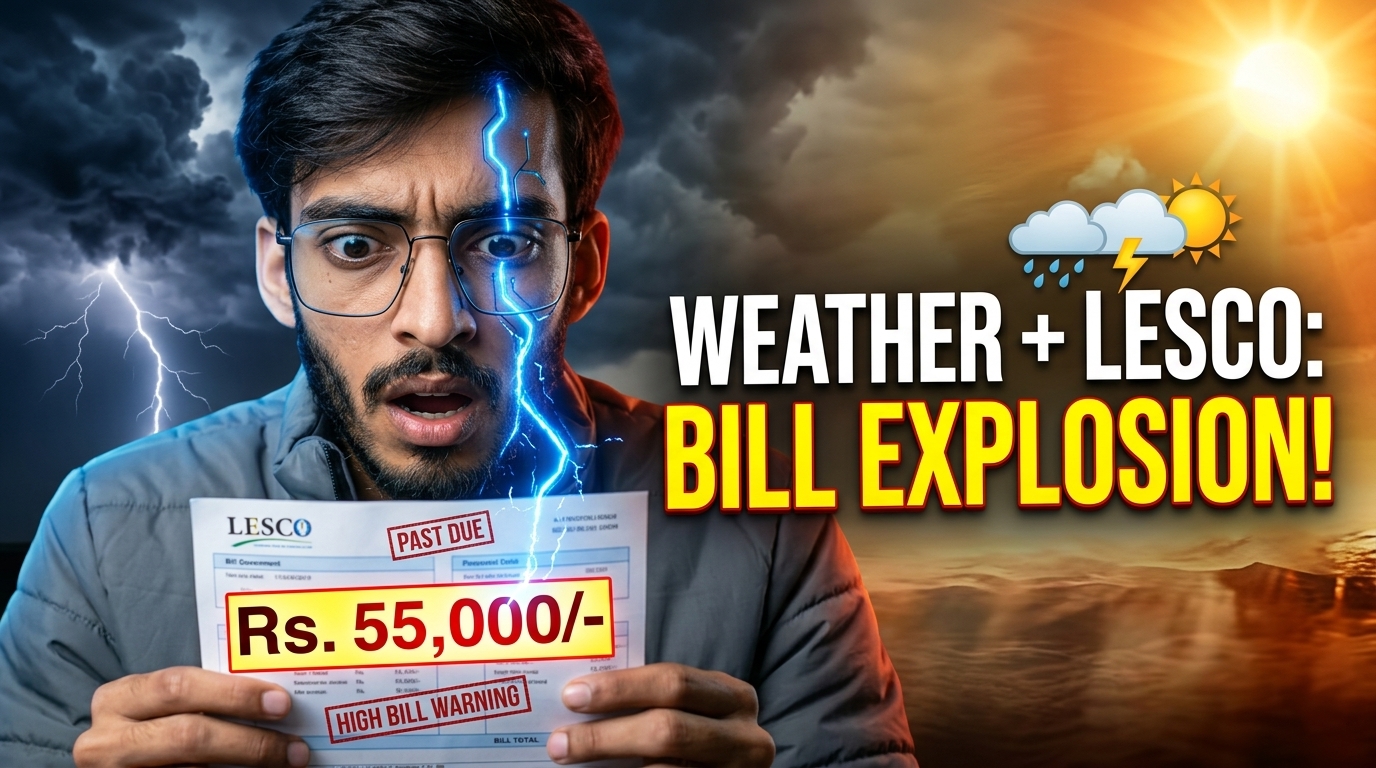
The weather plays a significant role in how much we pay for electricity each month. Changes in temperature, especially during extreme weather conditions, can lead to noticeable fluctuations in your LESCO electricity bill. In Lahore, the climate can be quite unpredictable, with extremely hot summers and chilly winters, both of which can affect your energy consumption and, consequently, your electricity billing. In this article, we’ll explore how weather influences your LESCO billing, how to manage your bill during extreme weather conditions, and tips to reduce electricity consumption when the temperature fluctuates.
How Weather Affects Your LESCO Electricity Bill
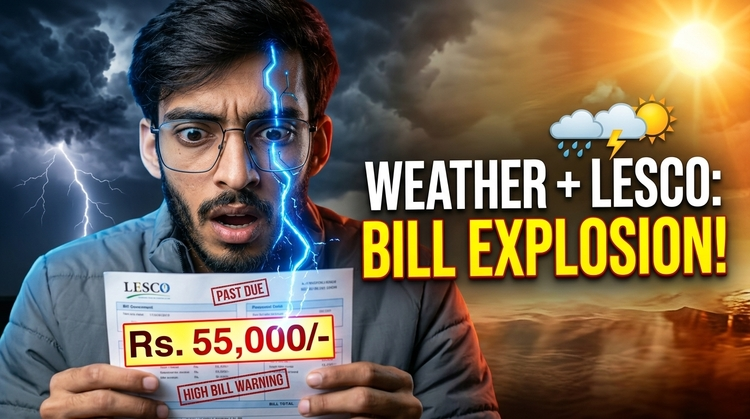
The relationship between weather and electricity bills might not be immediately obvious, but the truth is, your LESCO electricity consumption in summer and winter can differ significantly. Extreme heat or cold often leads to increased energy consumption as we turn to cooling or heating systems, leading to higher electricity rates.
- Air Conditioning Use: During the hot summer months, air conditioners (ACs) are in constant use to combat the heat. This leads to a dramatic rise in electricity consumption during summer peak.
- Heating Systems in Winter: In colder months, electric heating systems, fans, or space heaters often replace cooling systems, resulting in higher electricity use during winter as well.
These seasonal changes impact LESCO billing in extreme weather, with summer often leading to higher electricity bills due to the constant demand for cooling, while winter may increase the need for electric heating.
Related Topics:
New Connection with LESCO
Load Shedding Schedule
Electricity Saving Tips
LESCO Bill Calculator
Why Your LESCO Bill Increases During Hot Weather
During hot weather, especially in Lahore, the demand for electricity skyrockets due to air conditioners, refrigerators, and other cooling devices. As temperatures rise, people spend more time indoors, using more electricity to stay comfortable.
Impact of Heat on LESCO Electricity Rates
- Air Conditioning: Air conditioners consume a lot of power, and during peak heat, they can cause a significant LESCO bill increase. In fact, a large portion of the electricity bill changes in summer is due to the extended use of air conditioning.
- Cooling Systems and Usage: The constant use of fans, coolers, and air conditioners increases energy consumption during hot weather. LESCO billing in extreme weather factors in this surge in demand.
- Residential Consumption: Homeowners often see their LESCO bill variations due to temperature changes as they run multiple cooling systems to maintain comfortable indoor temperatures.
You can expect a rise in electricity consumption during periods of extreme heat, making it important to understand how to manage your cooling systems to minimize their impact on your electricity bill.
Seasonal Changes: How Weather Impacts LESCO Billing
Seasonal electricity billing in Lahore often varies depending on how much energy consumers are using to either cool or heat their homes. As the weather patterns in Lahore change, so does electricity demand. Here’s how seasonal changes affect LESCO billing:
- Summer: As temperatures soar, energy consumption during hot weather in Lahore peaks due to the heavy use of air conditioning. The impact of weather on energy bills in Lahore becomes clear as households run cooling systems throughout the day and night to stay comfortable.
- Winter: In winter, energy consumption for heating increases. Space heaters, electric blankets, and heating fans are common during chilly weather, resulting in a rise in electricity usage.
This seasonal fluctuation leads to the seasonal electricity charges seen on LESCO bills, with summer electricity bill hikes often being much steeper than in winter. LESCO billing adjustments for weather variations account for these seasonal changes, adjusting rates accordingly to match the demand during different seasons.
Managing Your LESCO Bill During Extreme Weather Conditions
Managing your LESCO bill during extreme weather conditions requires a few strategic steps to minimize electricity consumption without compromising your comfort. Here are some practical tips:
- Install Programmable Thermostats: Use programmable thermostats to manage your air conditioning and heating more efficiently. By setting your thermostat to adjust temperatures during off-peak hours, you can avoid running appliances at their highest settings when energy demand is at its peak.
- Energy-Efficient Cooling and Heating: Upgrade your cooling systems to energy-efficient models, and consider using fans instead of air conditioners when possible. For heating, use insulated blankets or thermal curtains to keep warmth inside your home without having to turn on the heater constantly.
- Regular Maintenance: Make sure your air conditioning and heating systems are serviced regularly. A poorly maintained unit will consume more energy, leading to higher electricity consumption. Energy conservation during hot weather can be achieved with proper maintenance.
- Manage Usage: Be mindful of turning off electrical appliances when not in use. Unplug electronics that are in standby mode to reduce hidden electricity consumption. Use appliances like washing machines or dishwashers during off-peak hours to reduce the demand on the grid during peak times.
How Temperature Fluctuations Can Affect Your LESCO Electricity Consumption
Temperature fluctuations can have a significant effect on your LESCO electricity consumption throughout the year. Whether it’s the heat of summer or the cold of winter, the impact of weather on LESCO billing is real.
- Increased Use of ACs: During the summer, even a few days of high temperatures can lead to a drastic increase in electricity bills due to the increased use of cooling systems.
- Winter Heating: Conversely, in winter, when temperatures drop, there is increased reliance on electric heaters and other heating devices, leading to a rise in electricity usage during winter.
By understanding how temperature fluctuations affect LESCO electricity consumption, you can anticipate increases in your bill and take steps to mitigate them, such as using less energy-intensive appliances or taking advantage of off-peak electricity rates if available.
Understanding LESCO’s Billing During Summer and Winter Seasons
Understanding LESCO’s billing structure is key to managing your electricity usage and reducing unnecessary expenses. LESCO calculates electricity usage based on your meter readings, but your overall bill variations also depend on the weather:
- Summer Season: During summer, as demand increases, air conditioning becomes the main contributor to electricity consumption. The LESCO bill increase during hot weather can be significant, so it’s important to implement energy-saving measures during this period.
- Winter Season: In contrast, winter electricity consumption is typically lower but still noticeable due to the use of heating systems. Winter electricity consumption and LESCO billing tend to be more predictable, but managing the use of electric heaters can help keep your bill from spiking.
By understanding how weather conditions affect electricity demand, you can make informed decisions about how to manage your LESCO electricity usage throughout the year.
Impact of Weather on Household Electricity Usage
In homes with multiple electrical appliances running at all times, weather patterns and energy consumption can have a huge impact on your electricity bill. Here’s how to minimize the impact of weather on household electricity usage:
- In Summer: The use of air conditioners, fans, and other cooling systems can increase your electricity bill by up to 50%. Make sure your AC is set at a moderate temperature (around 24-26°C) and turn it off when you leave the house.
- In Winter: Electric blankets and space heaters can drive up your bill, so use them wisely. Additionally, ensuring proper insulation in your home can help you rely less on electric heating.
By monitoring your electricity usage and adjusting your habits based on the seasonal weather changes, you can maintain control over your LESCO billing and keep costs down.
Electricity Bill Predictions Based on Weather
As weather patterns influence electricity usage and billing in Lahore, it’s helpful to make electricity bill predictions based on weather forecasts. Seasonal weather changes often correlate directly with electricity demand, meaning you can expect higher electricity consumption in summer due to cooling needs and in winter due to heating systems.
- During Peak Heat: Expect higher electricity consumption and, consequently, higher LESCO bills. Prepare by using energy-saving practices to minimize usage.
- During Peak Cold: Similarly, during cold weather, heating systems will lead to increased energy consumption, so be mindful of usage.
By anticipating changes in weather patterns and energy consumption, you can prepare for the financial impact on your LESCO bill and take steps to reduce unnecessary expenses.
Final Words:
The impact of weather on LESCO billing is an essential factor to consider when managing your electricity usage. Whether it’s the heat of summer causing a rise in cooling system usage or the chill of winter leading to more reliance on electric heating, weather conditions will always affect your electricity consumption. Understanding how temperature fluctuations impact your LESCO electricity bill will allow you to better manage your energy consumption, reduce unnecessary costs, and ensure that your bills remain as affordable as possible.
Take action now: Implement energy-saving strategies, stay informed about weather forecasts, and adjust your electricity usage accordingly to avoid significant spikes in your LESCO billing during extreme weather conditions. By understanding and managing how weather impacts electricity rates and consumption, you can reduce the financial strain of rising utility costs throughout the year.